Excellent meal was slightly marred by trying to be charged 4€ for a “carafe d’eau.” Always check your bill.
Overview
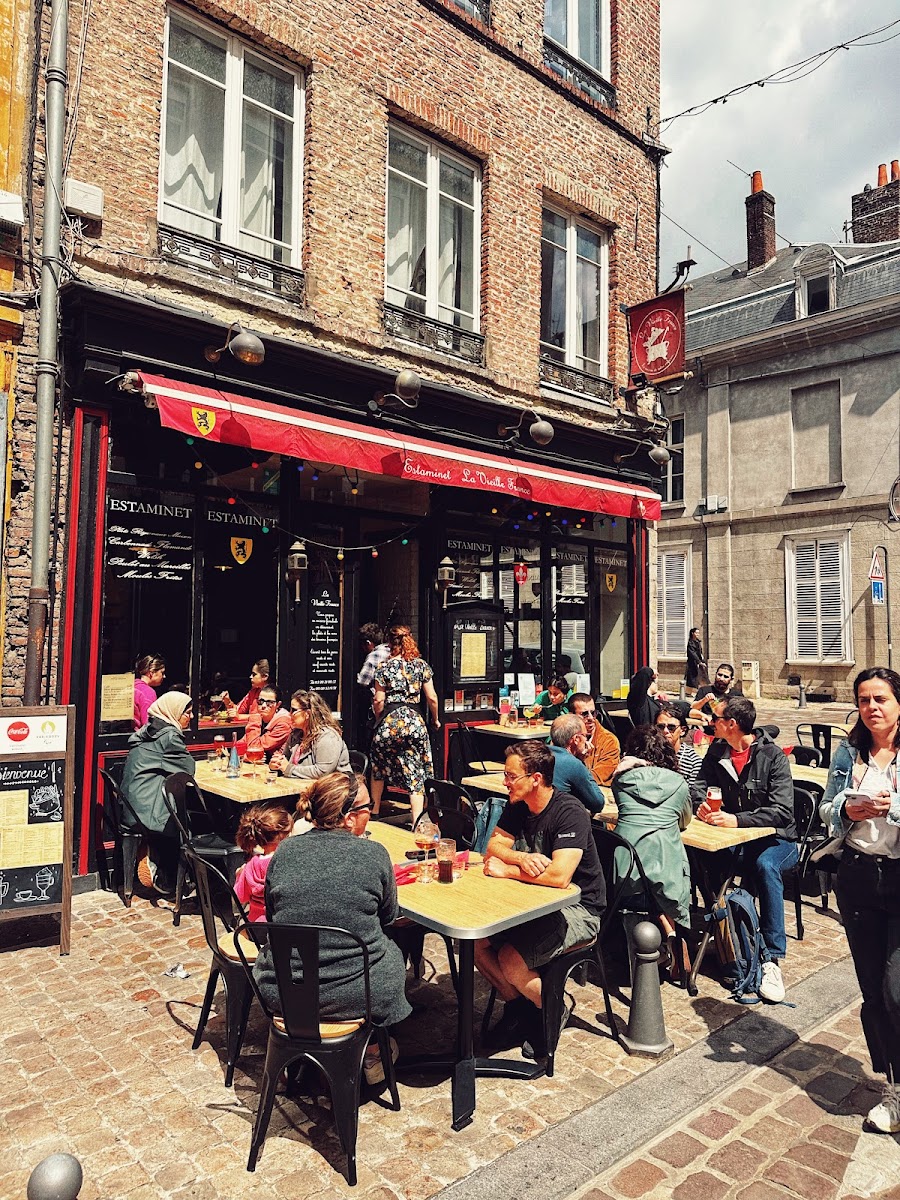
Walking into Estaminet La Vieille France feels like stepping into a living postcard of northern France. Tucked along 51 Rue de Gand, 59000 Lille, France, this old-school estaminet captures the soul of Flemish tradition without trying too hard. I first came here on a rainy weekday evening after a local friend insisted it was the place to understand Lille’s food culture. Ten minutes later, with the smell of slow-cooked meat and buttered potatoes in the air, I knew exactly what they meant.
The menu leans confidently into regional classics, and that confidence shows. Instead of endless options, you get a tight selection of dishes that have clearly been tested and perfected over time. I watched a nearby table order carbonnade flamande, the iconic beef stew simmered in dark beer, and the server explained that the recipe follows methods common across Flemish households, where acidity, sweetness, and patience matter more than shortcuts. According to data from the French Ministry of Culture, estaminets like this one played a central role in community life in northern France during the 19th century, often serving as both dining rooms and meeting spaces. That heritage still shapes how the food is prepared and served today.
My own plate featured welsh, a dish that looks simple but demands precision. Melted cheddar blended with beer, poured over bread and ham, then baked until bubbling. The balance here was spot on, rich without being overwhelming. Research published by the Institut National de la Recherche Agronomique highlights how traditional regional dishes often rely on controlled cooking temperatures and ingredient ratios to preserve flavor integrity, and you can taste that discipline in every bite. Nothing feels rushed, and nothing feels modernized just for trend’s sake.
The dining room itself adds to the experience. Wooden tables, vintage signs, and close seating encourage conversation, even with strangers. During my visit, a couple from Belgium shared how they stop here every time they pass through Lille because the atmosphere reminds them of home. That kind of loyalty says more than any online review ever could, although reviews across major platforms consistently praise the restaurant for authenticity, generous portions, and friendly service.
Service deserves its own mention. The staff know the menu inside out and explain dishes clearly, which matters when regional cuisine includes unfamiliar names or techniques. One server broke down the beer pairing options, noting how malty ales complement slow-braised meats better than lighter styles. The Brewers of Europe, a respected industry organization, often emphasize how beer pairing enhances traditional cuisine, and this is a place where that theory plays out in real life.
Location also works in its favor. Being right in the historic center makes it an easy stop between sightseeing and evening plans. Despite the popularity, the flow feels managed rather than chaotic, though peak dinner hours can mean a short wait. That’s a fair trade-off for food cooked with care rather than speed. One limitation worth noting is that the space isn’t ideal for large groups seeking privacy, as tables are close and the room fills quickly.
What stands out most is how naturally everything comes together. The menu, the location, the service, and the crowd all align around a shared respect for tradition. This isn’t a place chasing trends or reinventing classics. It’s a place preserving them, plate by plate, conversation by conversation. When people describe it as authentic Flemish comfort food, they’re not exaggerating; they’re recognizing a craft that’s been quietly refined over generations.
Good to know
Service options
✓ Outdoor seating ✓ Dine-in ✓ Delivery ✓ TakeawayHighlights
✓ Great beer selection ✓ Great cocktails ✓ Great coffee ✓ Great wine listPopular for
✓ Lunch ✓ Dinner ✓ Solo diningAccessibility
✓ Wheelchair-accessible seating ✓ Wheelchair-accessible car parkOfferings
✓ Alcohol ✓ Beer ✓ Cocktails ✓ Coffee ✓ Late-night food ✓ Small plates ✓ Spirits ✓ WineDining options
✓ Breakfast ✓ Lunch ✓ Dinner ✓ Catering ✓ Dessert ✓ Seating ✓ Table serviceAmenities
✓ Bar on site ✓ ToiletAtmosphere
✓ Casual ✓ Cosy ✓ TrendyCrowd
✓ Groups ✓ TouristsPlanning
✓ Lunch reservations recommended ✓ Dinner reservations recommended ✓ Accepts reservationsPayments
✓ Credit cards ✓ Debit cards ✓ Meal coupons ✓ NFC mobile payments ✓ PluxeeChildren
✓ Kids' menuParking
✓ Paid parking lot ✓ Paid street parking ✓ ParkingPhotos
1 / 4
Location
Reviews
- No ratings yet 1107 reviews
A lovely Lille Estaminet serving traditional dishes in a warm, cosy setting. The Moules au Maroilles (Mussels with that gorgeous Maroilles cheese sauce) were truly scrumptious!
We came here for supper and the food was good, the service was friendly. I was given an English menu right away. The chicken with cheese was delicious, the andouille was strong and pungent. I like the decor too.
VERY good. Doesnt have too many reviews but it's a pretty great restaurant. You should definitely try two very typicals plats from lille: Welsh and Carbonnade flamande. And "mix" them a little bit. The pain perdu was also very good It was about 20€ per person.
Great place with friendly service and fantastic traditional food. The welsh are fantastic, as are the mussels. The ambient was really cosy and friendly too, and the place itself was nicely decorated. Totally recommended.
Food and wine was okay but service was nice. It would be appreciated if they could provide an English menu for international travelers otherwise we really cannot order things that we really like but to order the same dish as others do.